
Loading...

Loading page description...

Home / Page

How Pro Aid Consult Helps Businesses Identify Their Ideal Customers

Every successful business starts with one important question: Who are my ideal customers? Without a clear answer, businesses often waste money on ineffective marketing, attract the wrong audience, and struggle to achieve consistent sales. Identifying the right customers is not guessworkโ€”it is a strategic process that involves research, data analysis, and market understanding.

At Pro Aid Consult, we help businesses move beyond assumptions and build clear customer profiles that drive sales, improve marketing performance, and support long-term growth. Whether you are a startup, SME, or established company in Nigeria, understanding your ideal customers is the foundation of sustainable success.

In this article, we will explore how Pro Aid Consult helps businesses identify their ideal customers, why it matters, the methods we use, and how this process transforms business performance.


Why Identifying Ideal Customers Is Important

Many businesses fail not because their products are bad, but because they are targeting the wrong audience. When you clearly define your ideal customers, you can:

  • Create more effective marketing campaigns
  • Reduce advertising waste
  • Improve product development
  • Increase customer satisfaction
  • Boost conversion rates and sales

For example, a luxury skincare brand targeting low-income audiences may struggle with sales, not because the product is bad, but because the audience is not aligned. On the other hand, a well-defined target audience ensures that every marketing effort reaches people who are most likely to buy.


Understanding Ideal Customer Profiling

Ideal customer profiling is the process of identifying the specific group of people most likely to benefit from and purchase your product or service. It goes beyond basic demographics and includes behavior, interests, challenges, and buying patterns.

At Pro Aid Consult, we help businesses answer questions like:

  • Who needs your product the most?
  • What problems are your customers trying to solve?
  • Where do your customers spend time online?
  • What motivates their buying decisions?
  • What price range are they comfortable with?

By answering these questions, businesses gain clarity and direction.


How Pro Aid Consult Identifies Ideal Customers

1. Market Research and Industry Analysis

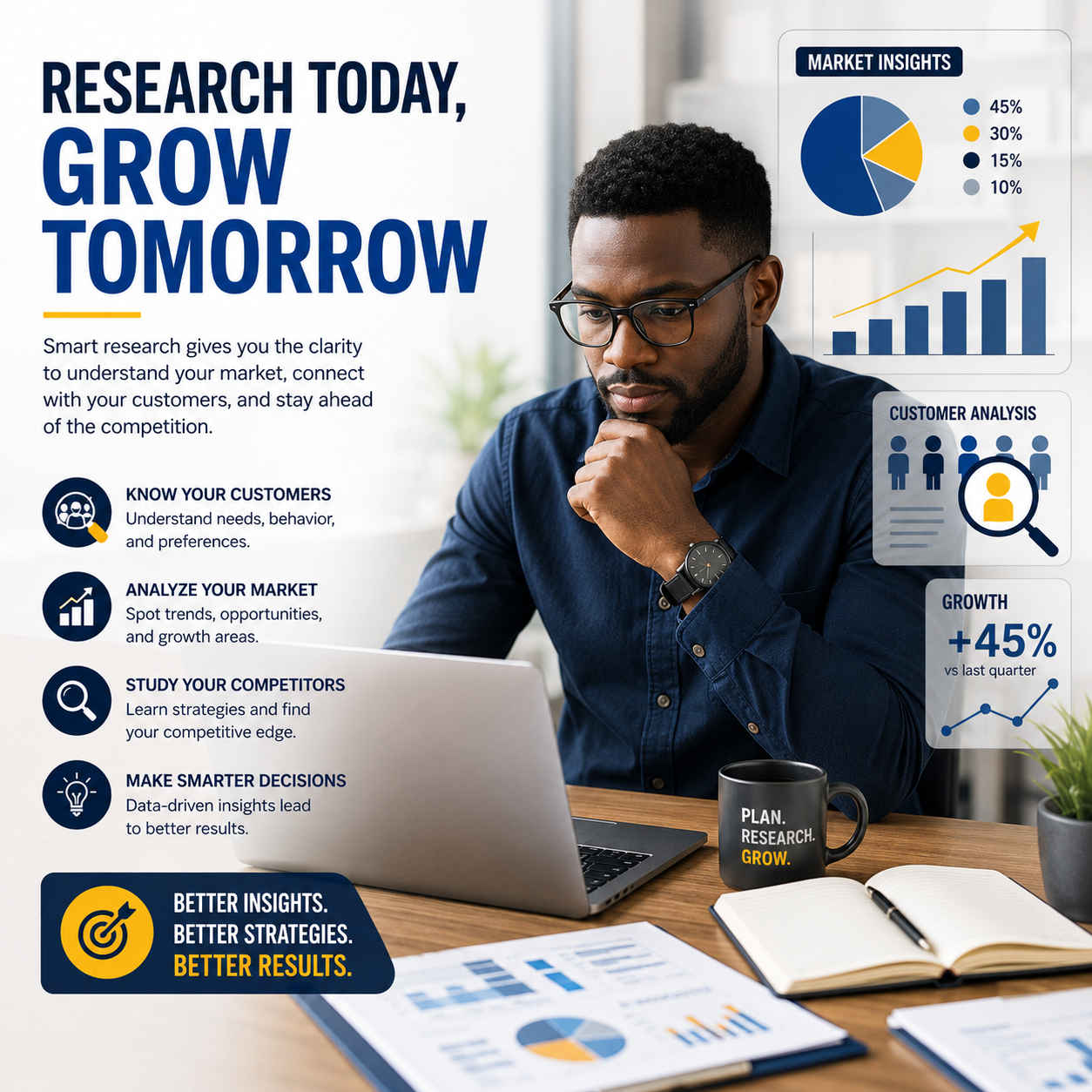
The first step we take is thorough market research. We study the industry your business operates in, including trends, demand levels, and customer expectations.

This helps us understand:

  • Market size and opportunities
  • Customer needs and gaps in the market
  • Competitor positioning
  • Industry growth patterns

For example, if a business wants to enter the logistics sector in Nigeria, we analyze delivery habits, customer complaints about existing services, and pricing expectations in the market.

This ensures your business enters the market with a clear advantage.


2. Competitor Customer Analysis

Your competitors already have customers, and those customers provide valuable insights.

At Pro Aid Consult, we analyze:

  • Who your competitors are targeting
  • Customer reviews and feedback
  • Strengths and weaknesses of competitor offerings
  • Gaps in their customer experience

This allows us to identify underserved audiences that your business can target effectively.

For example, if competitors focus on high-end clients, there may be an opportunity to target mid-range customers who are being ignored.


3. Customer Surveys and Direct Feedback

We believe the best insights come directly from potential customers.

Pro Aid Consult designs and conducts surveys, interviews, and feedback sessions to gather real data from your target audience.

We ask questions such as:

  • What problems are you currently facing in this industry?
  • What solution would you prefer?
  • What factors influence your purchase decisions?
  • How much are you willing to pay for this service?

This helps us build accurate customer profiles based on real-world data, not assumptions.


4. Data Segmentation and Customer Profiling

Once data is collected, we segment customers into categories based on:

  • Age and gender
  • Location and income level
  • Buying behavior
  • Interests and lifestyle
  • Online activity patterns

For example, an online fashion business may have segments such as:

  • Young professionals seeking affordable fashion
  • Students looking for budget-friendly styles
  • Corporate workers interested in premium clothing

This segmentation allows businesses to target each group more effectively.


5. Buyer Persona Development

After segmentation, we create detailed buyer personasโ€”semi-fictional representations of your ideal customers.

A buyer persona includes:

  • Name and background
  • Occupation and income level
  • Goals and challenges
  • Buying behavior
  • Preferred communication channels

For example, a buyer persona for a small business consulting service might be:

  • โ€œChinedu, a 32-year-old SME owner in Lagos who wants to grow his business but struggles with digital marketing.โ€

This makes marketing more focused and personalized.


6. Digital Behavior Analysis

Todayโ€™s customers are highly active online, and understanding their digital behavior is essential.

We analyze:

  • Social media usage patterns
  • Search behavior on Google
  • Content preferences (videos, blogs, ads)
  • Platforms where customers are most active

This helps businesses choose the right marketing channels and create content that attracts attention.


7. Testing and Validation

Before finalizing the ideal customer profile, we test it through small campaigns or pilot marketing strategies.

This helps to confirm:

  • Whether the audience responds to the product
  • Which messaging works best
  • What pricing attracts the most interest

Testing reduces risk and ensures accuracy before full-scale marketing begins.


Benefits of Working with Pro Aid Consult

Businesses that work with Pro Aid Consult experience:

  • Clear understanding of their target audience
  • Improved marketing efficiency
  • Higher return on investment (ROI)
  • Better product-market fit
  • Increased sales and customer engagement

Instead of guessing who your customers are, you get a data-driven strategy that delivers real results.


Common Problems Businesses Face Without Customer Identification

Many businesses struggle because they:

  • Target everyone instead of a specific audience
  • Waste money on ineffective advertising
  • Create products that do not match customer needs
  • Fail to connect with their audience emotionally
  • Lack clear marketing direction

With proper customer identification, these challenges can be avoided.


Why Choose Pro Aid Consult

At Pro Aid Consult, we combine business strategy, market research, and digital insights to help businesses grow. Our approach is practical, data-driven, and tailored to the Nigerian and African market environment.

We donโ€™t just help you find customersโ€”we help you understand them deeply so your business can build long-term relationships and consistent revenue.

To learn more about our services, visit: https://proaidconsult.org/


Final Thoughts

Identifying your ideal customers is one of the most important steps in building a successful business. Without it, marketing becomes guesswork, and growth becomes unpredictable.

Pro Aid Consult helps businesses eliminate confusion by providing clear, data-backed customer insights. From research and segmentation to buyer persona development and testing, we ensure your business connects with the right audience at the right time.

If you want to grow your business effectively, the first step is understanding who your customers truly are.

Why Every Business Needs a Strong Online Presence in 2026

In 2026, having a strong online presence is no longer optional for businesses. Customers now rely heavily on the internet to discover products, compare services, read reviews, and make purchasing decisions. Whether you run a small startup, a retail store, a professional service company, or an established enterprise, your digital visibility directly affects your growth and profitability.

Many businesses still struggle with low customer engagement, poor visibility, and declining sales simply because they lack a strong digital strategy. Businesses that fail to establish an online presence risk losing potential customers to competitors that are more visible and accessible online.

At Pro Aid Consult, we help businesses build professional online systems that improve visibility, customer trust, and long-term growth. In this article, we will explore why every business needs a strong online presence in 2026 and how it can contribute to sustainable success.


What Does an Online Presence Mean?

An online presence refers to how visible and accessible your business is on the internet. It includes:

  • A professional website
  • Active social media platforms
  • Search engine visibility
  • Online reviews and ratings
  • Business listings
  • Digital advertisements
  • Blog content and articles
  • Email marketing communication

A strong online presence helps businesses stay connected with customers and remain competitive in an increasingly digital world.


1. Customers Search Online Before Making Decisions

Todayโ€™s customers research businesses online before contacting them or making purchases. People search Google for:

  • Products and services
  • Business reviews
  • Contact information
  • Pricing
  • Locations
  • Recommendations

For example, when someone searches:

  • โ€œBest business consultant in Nigeriaโ€
  • โ€œAffordable website design companyโ€
  • โ€œReliable digital marketing agency near meโ€

Businesses with strong online visibility are more likely to attract those customers.

Without an online presence, potential customers may assume the business is outdated, inactive, or untrustworthy.


2. A Professional Website Builds Credibility

A business website acts as a digital office that customers can access anytime. A professionally designed website helps businesses appear more trustworthy and organized.

An effective business website should:

  • Load quickly
  • Work well on mobile devices
  • Include clear service information
  • Display contact details
  • Showcase testimonials and reviews
  • Contain helpful content
  • Be easy to navigate

For example, a law firm with a modern website that explains its services and shares client testimonials will likely gain more trust than a firm with no website at all.

At Pro Aid Consult, we help businesses create responsive websites that improve customer experience and support business growth.


3. Social Media Increases Brand Awareness

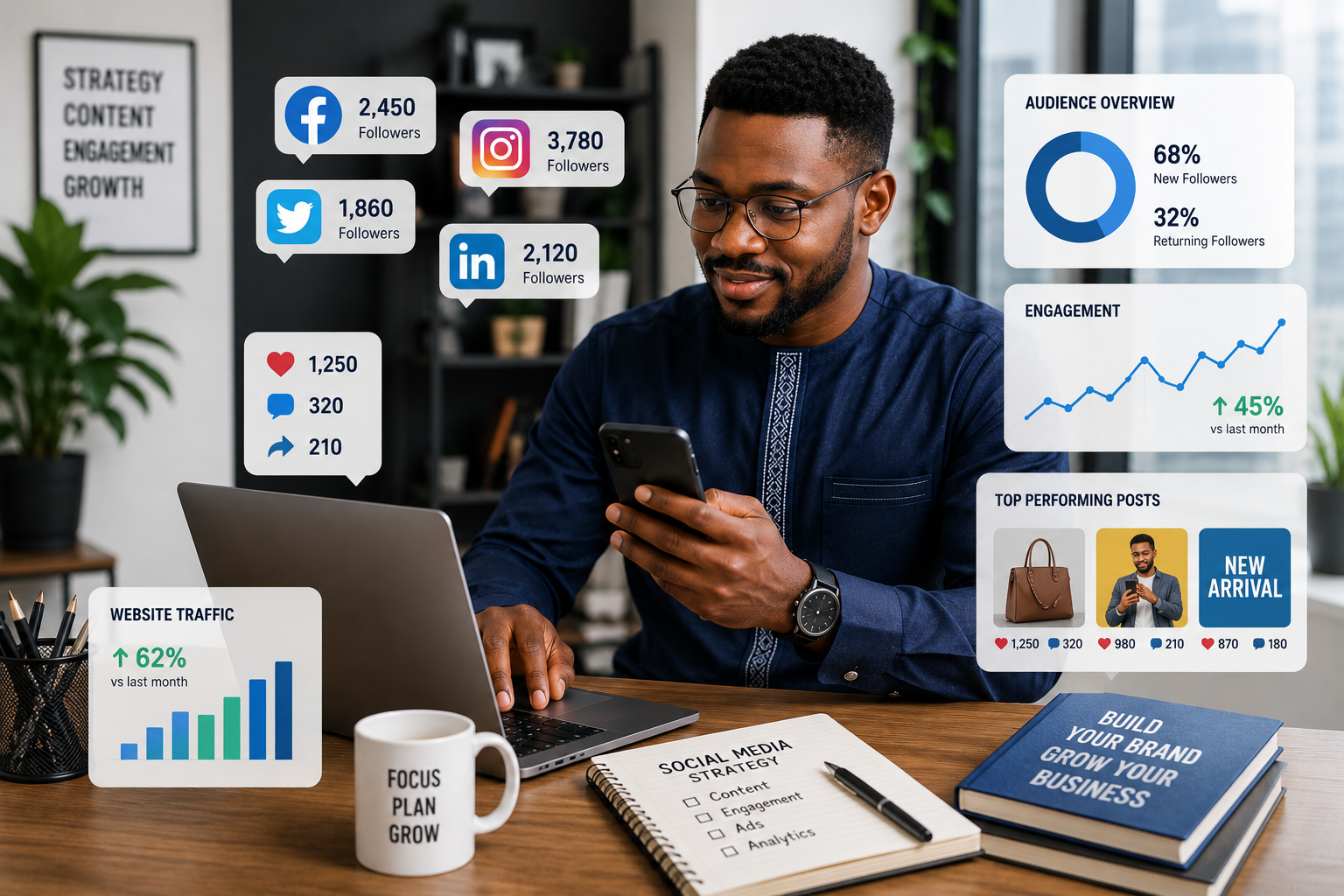
Social media platforms such as Facebook, Instagram, LinkedIn, TikTok, and X (Twitter) have become essential marketing tools for businesses.

A strong social media presence helps businesses:

  • Reach new audiences
  • Engage customers directly
  • Promote products and services
  • Build customer relationships
  • Increase brand recognition

For example, a restaurant can use Instagram and Facebook to share:

  • Food photos
  • Customer reviews
  • Promotional offers
  • Behind-the-scenes videos

This keeps the business visible and encourages customer interaction.

Businesses that consistently post valuable and engaging content often experience stronger customer loyalty and higher brand awareness.


4. Online Presence Helps Businesses Compete Effectively

In 2026, competition is stronger than ever. Even small businesses now compete with larger brands online.

A strong online presence gives smaller businesses the opportunity to:

  • Reach targeted audiences
  • Compete beyond physical location
  • Generate leads online
  • Build credibility
  • Increase sales opportunities

For example, a small fashion brand in Lagos can now sell products nationwide through:

  • E-commerce websites
  • Social media marketing
  • Online advertising
  • Search engine visibility

Digital platforms reduce traditional barriers and create equal growth opportunities for businesses of all sizes.


5. Search Engine Optimization (SEO) Brings Long-Term Traffic

Search Engine Optimization (SEO) helps businesses appear in Google search results when customers search for related products or services.

SEO involves:

  • Keyword optimization
  • Fast website performance
  • Mobile-friendly design
  • Content marketing
  • Internal linking
  • Technical website improvements

Businesses with strong SEO often receive:

  • More website traffic
  • Better online visibility
  • Increased inquiries
  • Higher conversion rates

For example, a business that publishes educational blog posts regularly can attract organic visitors without constantly paying for advertisements.

At Pro Aid Consult, we provide SEO strategies that help businesses improve rankings and attract targeted traffic.


6. Online Reviews Influence Customer Trust

Customers trust online reviews when deciding which businesses to patronize. Positive reviews can significantly influence buying decisions.

Businesses should:

  • Encourage customer feedback
  • Respond professionally to reviews
  • Resolve complaints promptly
  • Maintain excellent customer service

For example, a customer comparing two companies will often choose the one with better online ratings and stronger customer feedback.

Trust is a major factor in online business success, and reputation management is now more important than ever.


7. Digital Marketing Generates More Leads and Sales

A strong online presence supports digital marketing campaigns that help businesses generate leads and increase revenue.

Popular digital marketing strategies include:

  • Social media advertising
  • Google Ads
  • Email marketing
  • Content marketing
  • Influencer marketing
  • Video marketing

Unlike traditional marketing, digital marketing allows businesses to target specific audiences based on:

  • Age
  • Interests
  • Location
  • Online behavior

This makes marketing campaigns more efficient and cost-effective.

For example, a real estate company can target people interested in property investments within specific cities, increasing the chances of generating qualified leads.


8. Businesses Can Operate 24/7 Online

One major advantage of having an online presence is that customers can access business information anytime.

A website or social media page allows customers to:

  • View products and services
  • Make inquiries
  • Send messages
  • Place orders
  • Read reviews

Even outside normal working hours, businesses can continue generating leads and attracting customers online.

This increases convenience for customers and creates more business opportunities.


Final Thoughts

In 2026, a strong online presence is one of the most important investments any business can make. Customers now expect businesses to be visible, accessible, and professional online.

Businesses that invest in:

  • Professional websites
  • SEO
  • Social media marketing
  • Content marketing
  • Online advertising
  • Reputation management

are more likely to achieve sustainable growth and remain competitive.

At Pro Aid Consult, we help businesses build powerful online strategies that improve visibility, customer engagement, and long-term success.

If your business is ready to grow online and attract more customers in 2026, now is the perfect time to strengthen your digital presence.

5 Effective Sales Optimization Strategies for Growing Businesses

Sales growth is one of the biggest goals for every business, whether it is a startup, small business, or established company. However, many businesses struggle to convert leads into paying customers, maintain customer loyalty, or maximize revenue opportunities. In todayโ€™s competitive business environment, simply having a good product or service is not enough. Businesses need smart sales optimization strategies that improve efficiency, increase conversions, and drive sustainable growth.

Sales optimization involves improving every stage of the sales process to help businesses generate more revenue with better results. From understanding customer behavior to improving communication and using digital tools, businesses that optimize their sales strategies are more likely to outperform competitors.

In this article, we will explore five effective sales optimization strategies for growing businesses, practical examples of how they work, and why these strategies are important for long-term success.


What Is Sales Optimization?

Sales optimization is the process of improving sales activities, customer interactions, and conversion strategies to increase revenue and business performance.

It focuses on:

  • Understanding customer needs
  • Improving the sales process
  • Increasing conversion rates
  • Reducing customer acquisition costs
  • Enhancing customer experience
  • Maximizing long-term customer value

Businesses that optimize their sales systems can achieve better results without necessarily increasing marketing expenses.


1. Understand Your Target Customers

One of the most effective ways to improve sales is by understanding who your customers are and what they need.

Many businesses lose sales because they market to the wrong audience or fail to understand customer pain points. Customer research helps businesses create personalized sales strategies that connect with the right people.

How to Understand Your Customers

Businesses should analyze:

  • Customer demographics
  • Buying behavior
  • Interests and preferences
  • Common challenges
  • Spending habits
  • Online activity patterns

For example, a fashion business targeting young professionals may focus on convenience, trendy designs, and social media marketing. Meanwhile, a corporate consulting firm may focus on professionalism, trust, and long-term business value.

Benefits

  • Higher conversion rates
  • Better customer engagement
  • Improved marketing performance
  • Stronger customer relationships

When businesses understand customers deeply, sales messaging becomes more effective.


2. Improve Your Sales Funnel

A sales funnel represents the journey customers take before making a purchase. Many businesses lose potential customers because their sales process is confusing, slow, or poorly structured.

Optimizing your sales funnel helps move customers smoothly from awareness to purchase.

Key Stages of a Sales Funnel

  1. Awareness โ€“ Customers discover your business
  2. Interest โ€“ They learn more about your products or services
  3. Consideration โ€“ They compare your offer with competitors
  4. Decision โ€“ They make a purchase
  5. Retention โ€“ They become repeat customers

Ways to Optimize Your Sales Funnel

  • Use clear calls-to-action on your website
  • Respond quickly to customer inquiries
  • Simplify checkout and payment processes
  • Provide customer testimonials and reviews
  • Follow up with potential customers

For example, an online store that reduces complicated checkout steps can improve conversions significantly.

Benefits

  • Reduced customer drop-off
  • Faster conversions
  • Increased sales opportunities
  • Better customer experience

A well-optimized sales funnel makes it easier for customers to trust your business and complete purchases.


3. Leverage Digital Marketing and Automation

Digital marketing plays a major role in modern sales optimization. Businesses that use digital tools effectively can reach more customers, improve communication, and automate repetitive tasks.

Effective Digital Sales Strategies

Businesses should use:

  • Social media marketing
  • Email marketing
  • Search engine optimization (SEO)
  • Paid advertising
  • Customer relationship management (CRM) tools
  • Marketing automation systems

Automation tools help businesses:

  • Send follow-up emails automatically
  • Track customer behavior
  • Manage leads efficiently
  • Personalize customer communication

For example, a CRM system can remind sales teams to follow up with potential clients who showed interest but did not complete a purchase.

Benefits

  • Improved efficiency
  • Better customer communication
  • Higher lead conversion rates
  • Time-saving sales processes

Digital sales optimization allows businesses to scale faster and compete more effectively.


4. Focus on Customer Experience and Retention

Many businesses focus heavily on acquiring new customers while ignoring existing customers. However, retaining customers is often more profitable than constantly searching for new ones.

Customer experience directly affects sales growth.

How to Improve Customer Experience

Businesses can:

  • Provide fast customer support
  • Offer personalized communication
  • Deliver products and services on time
  • Resolve complaints professionally
  • Reward loyal customers

For example, businesses that respond quickly to customer complaints often build stronger trust and long-term loyalty.

Why Customer Retention Matters

Satisfied customers are more likely to:

  • Buy again
  • Refer others
  • Leave positive reviews
  • Trust your brand

Benefits

  • Increased repeat sales
  • Higher customer lifetime value
  • Improved brand reputation
  • Reduced marketing costs

Businesses that prioritize customer satisfaction often achieve more sustainable growth.


5. Track Sales Performance and Use Data Analytics

Sales optimization is impossible without measurement.

Businesses need to track performance data regularly to identify strengths, weaknesses, and opportunities for improvement.

Important Sales Metrics to Monitor

  • Conversion rates
  • Customer acquisition costs
  • Revenue growth
  • Lead response time
  • Customer retention rate
  • Average purchase value

Data analytics helps businesses make informed decisions instead of relying on assumptions.

For example, if analytics show that customers abandon purchases at checkout, businesses can improve payment options or simplify the process.

Tools Businesses Can Use

  • Google Analytics
  • CRM software
  • Sales dashboards
  • Customer feedback tools
  • Social media insights

Benefits

  • Better decision-making
  • Improved sales strategies
  • Increased profitability
  • More accurate forecasting

Businesses that use data effectively can identify growth opportunities faster and improve overall performance.


Common Sales Optimization Mistakes Businesses Should Avoid

Growing businesses should avoid:

  • Ignoring customer feedback
  • Using outdated sales methods
  • Failing to follow up with leads
  • Overcomplicating the sales process
  • Neglecting digital marketing
  • Targeting the wrong audience

These mistakes often lead to lost sales opportunities and reduced business growth.


How Pro Aid Consult Helps Businesses Improve Sales Performance

At Pro Aid Consult, we help businesses develop practical sales optimization strategies tailored to their industry and target audience.

Our services include:

  • Market research and customer analysis
  • Sales funnel optimization
  • Digital marketing strategies
  • SEO and website optimization
  • Customer engagement solutions
  • Business growth consulting

We help businesses identify gaps in their sales process and implement data-driven strategies that improve conversions and revenue growth.

To learn more about our services, visit https://proaidconsult.org/


Final Thoughts

Sales optimization is essential for businesses that want to grow sustainably and remain competitive. By understanding customers, improving the sales funnel, using digital marketing tools, prioritizing customer experience, and tracking performance data, businesses can significantly improve their sales results.

Growth does not happen by chance. Businesses that continuously optimize their sales strategies are more likely to attract customers, increase revenue, and build long-term success.

Whether you are a startup or an established company, investing in sales optimization can help you unlock new opportunities and achieve stronger business performance.

7 Proven Digital Marketing Strategies by Pro Aid Consult for Small Businesses

Digital marketing has become one of the most powerful tools for small businesses looking to grow their customer base, improve visibility, and increase sales. In todayโ€™s competitive business environment, simply having a product or service is no longer enough. Businesses must also know how to reach the right audience online and convert visitors into loyal customers.

Many small business owners struggle with low visibility, poor engagement, inconsistent sales, and ineffective advertising. The good news is that these challenges can be solved with the right digital marketing strategy. At Pro Aid Consult, we help businesses develop practical and result-driven marketing solutions that improve online growth and long-term success.

In this article, we will explore seven proven digital marketing strategies that can help small businesses attract more customers, build trust, and grow sustainably.


1. Build a Professional Business Website

A business website is the foundation of digital marketing. Many customers search online before making a purchase or contacting a business. Without a professional website, businesses may lose credibility and potential customers.

A good website should:

  • Load fast on mobile and desktop devices
  • Be easy to navigate
  • Include clear service descriptions
  • Display contact information prominently
  • Contain customer testimonials and trust signals
  • Be optimized for search engines

For example, a fashion store in Lagos with a professionally designed website can showcase products, receive inquiries, and even process online orders 24/7.

At Pro Aid Consult, we help businesses create responsive websites that improve user experience and support business growth.


2. Invest in Search Engine Optimization (SEO)

Search Engine Optimization (SEO) helps businesses appear on search engines like Google when customers search for products or services.

For example, if someone searches:

  • โ€œBest business consultant in Nigeriaโ€
  • โ€œAffordable web design servicesโ€
  • โ€œDigital marketing agency near meโ€

Businesses with proper SEO are more likely to appear in search results.

SEO includes:

  • Keyword optimization
  • Quality content creation
  • Mobile optimization
  • Fast website speed
  • Internal linking
  • Meta descriptions and title tags

SEO is important because it generates long-term organic traffic without constantly paying for advertisements.

Small businesses that consistently publish helpful content and optimize their websites often experience:

  • Increased website traffic
  • Better online visibility
  • Higher customer trust
  • More leads and inquiries

3. Use Social Media Marketing Strategically

Social media platforms like Facebook, Instagram, LinkedIn, TikTok, and X (Twitter) have become powerful business tools. However, many businesses post randomly without a clear strategy.

Effective social media marketing involves:

  • Creating valuable and engaging content
  • Posting consistently
  • Using quality visuals
  • Responding to customer comments and messages
  • Running targeted ads
  • Educating and informing the audience

For example, a bakery can post:

  • Behind-the-scenes baking videos
  • Customer testimonials
  • Promotional offers
  • Educational content about cake storage and ordering

This helps build audience trust and keeps the business visible online.

At Pro Aid Consult, we help businesses develop social media strategies that increase engagement, brand awareness, and conversions.


4. Create Helpful Content Marketing

Content marketing focuses on providing useful information that solves customer problems. Instead of only promoting products, businesses should educate their audience.

Examples of content marketing include:

  • Blog posts
  • Videos
  • Guides
  • Infographics
  • FAQs
  • Email newsletters

Helpful content positions a business as an authority in its industry.

For example:
A tax consultant can publish articles about:

  • Tax compliance tips
  • Business registration processes
  • Financial planning strategies

A digital agency can publish:

  • SEO guides
  • Website optimization tips
  • Social media growth strategies

Google also favors websites that consistently publish high-quality, informative content. This improves search rankings and supports AdSense approval requirements.


5. Run Targeted Online Advertising Campaigns

Online advertising allows businesses to reach specific audiences quickly. Platforms like Google Ads and Facebook Ads enable businesses to target users based on:

  • Location
  • Age
  • Interests
  • Search behavior
  • Occupation

Instead of advertising to everyone, businesses can focus on potential customers who are more likely to buy.

For example:
A real estate company in Abuja can target:

  • People searching for apartments
  • Professionals interested in property investment
  • Users within selected locations

A properly managed advertising campaign can:

  • Increase leads
  • Generate faster sales
  • Improve brand awareness
  • Boost website traffic

However, many businesses waste money on poorly optimized ads. This is why strategy, audience research, and performance monitoring are important.


6. Build Customer Trust Through Online Reputation Management

Customers trust businesses with strong online reputations. Reviews, testimonials, and customer feedback can influence buying decisions significantly.

Small businesses should:

  • Encourage satisfied customers to leave reviews
  • Respond professionally to feedback
  • Showcase testimonials on their website
  • Maintain transparent communication
  • Deliver consistent service quality

Trust signals that improve credibility include:

  • Verified business information
  • Professional branding
  • Active social media pages
  • Secure website connections (HTTPS)
  • Clear business policies

For example, when potential customers see positive reviews and professional communication, they are more likely to choose that business over competitors.

At Pro Aid Consult, we help businesses improve their online reputation and build stronger customer relationships.


7. Track Performance and Improve Continuously

One major advantage of digital marketing is the ability to measure results. Businesses can monitor:

  • Website visitors
  • Ad performance
  • Conversion rates
  • Customer engagement
  • Traffic sources

Tools like Google Analytics help businesses understand what is working and what needs improvement.

For example:
If a business notices that blog posts generate more customer inquiries than social media ads, it can invest more in content marketing.

Continuous improvement helps businesses:

  • Reduce marketing waste
  • Improve ROI
  • Understand customer behavior
  • Increase long-term growth

Successful digital marketing is not about guessing. It is about analyzing data and making informed decisions.


Why Digital Marketing Matters for Small Businesses

Small businesses often compete with larger brands that have bigger marketing budgets. Digital marketing creates opportunities for smaller businesses to compete effectively by reaching targeted audiences online.

With the right strategies, small businesses can:

  • Build brand awareness
  • Reach more customers
  • Increase sales
  • Improve customer retention
  • Grow sustainably

The key is consistency, proper planning, and using strategies that align with business goals.

At Pro Aid Consult, we provide professional support in:

  • Digital marketing
  • SEO services
  • Website development
  • Business consulting
  • Social media management
  • Market research
  • Brand growth strategies

Our goal is to help businesses achieve measurable growth through practical and effective solutions.


Final Thoughts

Digital marketing is no longer optional for small businesses. Businesses that fail to establish a strong online presence risk losing customers to competitors who are already using digital strategies effectively.

By implementing these seven proven strategies, small businesses can improve visibility, attract more customers, and increase revenue.

Whether you are just starting or looking to improve your current marketing efforts, investing in the right digital marketing strategy can create long-term business success.

If you need professional guidance to grow your business online, Pro Aid Consult is ready to help you build effective and result-driven digital solutions.

Why Market Research Is Important Before Launching a Business

Launching a business without market research is like driving to a new destination without a map. Many entrepreneurs invest money, time, and effort into business ideas only to discover later that customers are not interested, the competition is too strong, or the pricing strategy is unrealistic. Whether you are starting a small retail shop, an online business, a consultancy firm, or a tech startup, market research helps you understand your target audience, reduce business risks, and improve your chances of long-term success.

For startups and small businesses in Nigeria and across Africa, market research is no longer optional. In todayโ€™s competitive economy, understanding customer behavior, industry trends, pricing expectations, and competitor strategies can determine whether a business survives or fails.

In this article, we will explore why market research is important before launching a business, how it benefits entrepreneurs, the different types of market research, and practical steps businesses can take before entering the market.


What Is Market Research?

Market research is the process of gathering, analyzing, and interpreting information about a market, customers, competitors, and industry trends before launching or growing a business.

It helps business owners answer important questions such as:

  • Who are my ideal customers?
  • What products or services do they need?
  • How much are customers willing to pay?
  • Who are my competitors?
  • What problems exist in the market?
  • Is there enough demand for my business idea?

Instead of making assumptions, market research provides real data and insights that help businesses make informed decisions.


Why Market Research Is Important Before Starting a Business

1. Helps You Understand Your Target Customers

One of the biggest reasons businesses fail is because they create products or services without understanding what customers actually want.

Market research helps you identify:

  • Customer needs
  • Buying habits
  • Spending behavior
  • Pain points
  • Preferences
  • Demographics such as age, location, occupation, and income level

For example, if you want to launch an online clothing store in Nigeria, market research can help you determine:

  • Which fashion styles are trending
  • The age group most likely to buy your products
  • Preferred payment methods
  • Popular delivery expectations
  • Price ranges customers can afford

Understanding your customers allows you to create products and services that solve real problems.


2. Reduces Business Risks

Starting a business involves financial and operational risks. Without proper research, entrepreneurs may invest in industries with low demand or enter saturated markets.

Market research reduces uncertainty by helping business owners:

  • Validate business ideas
  • Identify market gaps
  • Avoid poor investment decisions
  • Understand industry challenges
  • Prepare for market competition

For example, before opening a restaurant, research can reveal whether there is enough customer demand in the area, what food customers prefer, and how competitors operate.

This information helps entrepreneurs make smarter decisions before committing large amounts of money.


3. Helps You Identify Competitors

No matter what business you plan to launch, competitors already exist in some form.

Competitor analysis is a major part of market research because it helps you understand:

  • What competitors are doing well
  • Their pricing strategies
  • Their strengths and weaknesses
  • Customer complaints
  • Their marketing methods

By studying competitors, you can discover opportunities to improve your own business.

For example, if customers complain about poor customer service from existing businesses in your industry, you can use excellent customer support as your competitive advantage.

A business that understands its competition can position itself more effectively in the market.


4. Improves Product and Service Development

Many successful businesses spend months researching before launching products.

Market research helps entrepreneurs develop products that customers actually need instead of creating products based on assumptions.

For example:

  • A skincare brand may discover customers prefer organic ingredients.
  • A digital marketing agency may discover businesses need affordable social media management packages.
  • A logistics company may discover faster delivery is more important than lower pricing.

This insight allows businesses to improve their offerings before launch.


5. Helps You Set the Right Pricing Strategy

Pricing is one of the most important factors that influence customer decisions.

If prices are too high, customers may avoid your business. If prices are too low, profits may suffer.

Market research helps you understand:

  • Average market prices
  • Customer spending capacity
  • Competitor pricing
  • The perceived value of your product or service

For example, a new business consulting firm can analyze what competitors charge for similar services and determine a competitive but profitable pricing model.

Pricing based on research improves profitability and customer trust.


6. Supports Better Marketing Strategies

Marketing becomes more effective when businesses understand their audience.

Market research helps businesses know:

  • Where customers spend time online
  • Which social media platforms they use
  • What type of content they engage with
  • What influences buying decisions

For example, if research shows your audience spends more time on Instagram and TikTok, you can focus your digital marketing efforts there instead of wasting money on ineffective channels.

Businesses that understand customer behavior create more targeted and successful marketing campaigns.


7. Helps Attract Investors and Business Partners

Investors want proof that a business idea has market demand.

When entrepreneurs present detailed market research, it demonstrates:

  • Professionalism
  • Business understanding
  • Growth potential
  • Market opportunities
  • Revenue possibilities

A business plan backed by market research is far more convincing than one based on assumptions.

If you are seeking funding, loans, or partnerships, market research increases your credibility.


Types of Market Research

Primary Research

Primary research involves collecting original data directly from potential customers.

Examples include:

  • Surveys
  • Interviews
  • Focus groups
  • Questionnaires
  • Customer feedback

This type of research provides firsthand information about customer opinions and preferences.

Secondary Research

Secondary research involves analyzing existing information from external sources.

Examples include:

  • Industry reports
  • Government statistics
  • Competitor websites
  • Market trend articles
  • Research publications

Secondary research helps businesses understand market trends and industry conditions.

Most successful businesses combine both primary and secondary research before launching.


Practical Steps to Conduct Market Research Before Launching a Business

Identify Your Target Audience

Clearly define who your ideal customers are.

Consider:

  • Age
  • Gender
  • Occupation
  • Income level
  • Location
  • Interests

The more specific your audience is, the easier it becomes to create products and marketing strategies that work.

Analyze Your Competitors

Study businesses offering similar products or services.

Pay attention to:

  • Their pricing
  • Branding
  • Customer reviews
  • Marketing methods
  • Product quality

This helps you identify areas where you can improve or differentiate your business.

Conduct Surveys and Interviews

Speak directly with potential customers.

Ask questions such as:

  • What challenges do you face?
  • What products do you currently use?
  • What improvements would you like to see?
  • How much would you pay for a better solution?

Customer feedback provides valuable business insights.

Study Industry Trends

Research current trends in your industry.

For example:

  • E-commerce growth
  • Digital payment adoption
  • Social media marketing trends
  • Consumer buying patterns

Understanding trends helps businesses stay competitive.

Test Your Business Idea

Before a full launch, test your product or service on a smaller scale.

You can:

  • Offer trial services
  • Launch a pilot product
  • Run social media ads
  • Collect customer feedback

Testing helps identify weaknesses and opportunities before large-scale investment.


Common Mistakes Businesses Make Without Market Research

Businesses that skip market research often face challenges such as:

  • Launching products nobody wants
  • Poor pricing decisions
  • Weak marketing campaigns
  • Entering oversaturated markets
  • Ignoring customer needs
  • Losing money on ineffective strategies

Many business failures could be avoided with proper research and planning.


Final Thoughts

Market research is one of the most important steps before launching any business. It helps entrepreneurs understand customers, reduce risks, identify competitors, improve products, and create smarter marketing strategies.

Businesses that invest time in market research are more likely to make informed decisions, attract customers, and achieve long-term growth.

Whether you are starting a small business, launching an online brand, or building a large company, understanding your market gives you a strong foundation for success.

Before investing heavily in any business idea, take time to research the market carefully. The insights you gain today can save you money, improve your business strategy, and increase your chances of building a successful and profitable business.

How Social Media Marketing Helps Businesses Attract More Customers

In todayโ€™s digital world, social media marketing has become one of the most powerful tools businesses can use to attract customers, increase visibility, and grow revenue. In Nigeria and across the world, millions of people spend hours daily on platforms like Facebook, Instagram, TikTok, LinkedIn, and X (Twitter). Businesses that take advantage of these platforms can connect directly with their target audience and build strong customer relationships.

Many small and medium-sized businesses (SMEs) struggle with low visibility, limited customer reach, and poor engagement. Traditional marketing methods alone are no longer enough to compete effectively in 2026. Social media marketing provides businesses with affordable and effective ways to reach potential customers, promote products, and increase brand awareness.

At Pro Aid Consult, we help businesses develop digital marketing strategies that improve online visibility, customer engagement, and business growth. In this article, we will explain how social media marketing helps businesses attract more customers and why every business should invest in it.


1. Social Media Increases Brand Awareness

One of the biggest advantages of social media marketing is visibility.

Before customers can buy from your business, they must first know that your business exists. Social media allows businesses to showcase their products and services to thousands of people daily.

For example, a fashion business in Lagos that posts consistently on Instagram can attract customers from different states in Nigeria instead of relying only on walk-in traffic.

Businesses can use social media to:

  • Showcase products and services
  • Share business updates
  • Educate customers
  • Promote special offers
  • Build brand identity

The more visible your business becomes online, the more likely customers are to trust and patronize your brand.


2. Businesses Can Reach Targeted Customers

Traditional advertising often targets broad audiences, which can waste money and reduce marketing effectiveness.

Social media platforms allow businesses to target specific audiences based on:

  • Location
  • Age
  • Gender
  • Interests
  • Occupation
  • Buying behavior

For example, a skincare business can run Facebook and Instagram ads specifically for women interested in beauty products within Lagos, Abuja, or Port Harcourt.

This targeted approach helps businesses:

  • Reach potential buyers faster
  • Reduce marketing costs
  • Improve conversion rates
  • Increase sales opportunities

Social media advertising gives SMEs access to marketing tools previously available only to large corporations.


3. Social Media Builds Customer Trust

Customers are more likely to buy from businesses they trust.

An active and professional social media presence helps businesses appear more credible and reliable. When customers see:

  • positive reviews
  • customer testimonials
  • quality content
  • regular updates
  • professional branding

they develop more confidence in the business.

For example, a restaurant that regularly posts customer feedback, food photos, and behind-the-scenes videos will likely attract more customers than a business with no online activity.

Trust plays a major role in customer decision-making, especially in competitive markets.


4. Businesses Can Engage Directly With Customers

Unlike traditional advertising, social media creates two-way communication between businesses and customers.

Businesses can:

  • respond to inquiries quickly
  • answer customer questions
  • handle complaints professionally
  • receive feedback instantly
  • build stronger relationships

For example, a customer who sends a WhatsApp or Instagram message and receives a quick response is more likely to make a purchase.

Fast communication improves customer satisfaction and increases customer loyalty.

Businesses that engage actively with their audience often build stronger communities around their brands.


5. Social Media Marketing Is Cost-Effective

One major reason many SMEs prefer social media marketing is affordability.

Compared to:

  • television advertising
  • radio promotions
  • billboard campaigns

social media marketing is far more budget-friendly.

Businesses can start with small advertising budgets and still reach thousands of people.

For example:

  • โ‚ฆ10,000 Facebook ads can generate leads
  • Instagram promotions can increase visibility
  • TikTok videos can go viral organically

This makes social media marketing ideal for startups and growing businesses with limited marketing budgets.


6. Social Media Helps Generate Leads and Sales

Social media platforms are powerful sales channels.

Businesses can attract potential customers by:

  • posting product videos
  • sharing customer testimonials
  • running promotional campaigns
  • creating educational content
  • using direct messaging for inquiries

For example, many Nigerian businesses now generate daily sales directly from Instagram, TikTok, Facebook Marketplace, and WhatsApp Business.

Features like:

  • shop integrations
  • clickable links
  • call-to-action buttons
  • direct messaging

make it easier for customers to buy products or book services quickly.

Businesses that use social media strategically often experience increased customer inquiries and revenue growth.


7. Social Media Improves Website Traffic

A strong social media strategy can drive visitors to your business website.

Businesses can share:

  • blog articles
  • service pages
  • product pages
  • promotional offers
  • landing pages

This increases website traffic and improves online visibility.

For example, a digital marketing agency can share educational blog posts on LinkedIn and Facebook to attract business owners interested in marketing services.

More website traffic can lead to:

  • more inquiries
  • more conversions
  • higher search engine visibility
  • improved brand authority

8. Businesses Can Analyze Customer Behavior

Social media platforms provide valuable insights that help businesses improve marketing performance.

Businesses can track:

  • audience engagement
  • post reach
  • customer interests
  • ad performance
  • website clicks

These analytics help businesses understand:

  • what content performs best
  • what customers prefer
  • which marketing campaigns generate results

Data-driven decisions improve business growth and marketing efficiency.

At Pro Aid Consult, we help businesses analyze marketing performance and create strategies that improve customer engagement and conversions.


9. Social Media Helps Businesses Stay Competitive

In 2026, businesses without social media presence risk losing customers to competitors.

Customers now expect businesses to:

  • have active social media accounts
  • respond online
  • provide digital support
  • share useful content

Businesses that ignore digital marketing may struggle to compete with brands that actively engage online audiences.

A strong social media strategy helps businesses remain visible, modern, and competitive.


Final Thoughts

Social media marketing has transformed the way businesses attract and retain customers. From increasing brand awareness to generating sales and building customer trust, social media offers businesses powerful opportunities for growth.

For Nigerian SMEs, social media marketing is no longer optional โ€” it is essential for business success in 2026 and beyond.

Businesses that invest in:

  • quality content
  • consistent branding
  • customer engagement
  • targeted advertising
  • professional digital marketing strategies

will have a stronger chance of attracting more customers and growing sustainably.

At Pro Aid Consult, we help businesses develop effective social media and digital marketing strategies that improve visibility, engagement, and business performance.

Whether you are a startup, entrepreneur, or growing company, social media marketing can help your business reach the right audience and achieve long-term success.

10 Business Growth Strategies Nigerian SMEs Can Use in 2026

Running a small or medium-sized business in Nigeria is becoming more competitive every year. In 2026, Nigerian SMEs must focus on innovation, digital visibility, customer trust, and strategic planning to survive and grow successfully. Many businesses struggle because they rely on outdated methods, poor branding, weak financial planning, or limited online presence.

The good news is that with the right strategies, Nigerian SMEs can scale faster, attract more customers, improve revenue, and build long-term sustainability.

At Pro Aid Consult, we work closely with entrepreneurs and growing businesses to provide practical solutions that improve business structure, marketing performance, compliance, and profitability.

In this article, we will explore 10 effective business growth strategies Nigerian SMEs can use in 2026 to stay competitive and achieve sustainable success.


1. Build a Strong Digital Presence

In todayโ€™s business world, customers search online before making decisions. If your business has little or no online presence, you are losing potential customers daily.

A strong digital presence includes:

  • A professional website
  • Active social media accounts
  • Google Business Profile optimization
  • Search engine visibility
  • Consistent branding

Many Nigerian SMEs still rely only on word-of-mouth marketing. While referrals are important, businesses that combine referrals with digital marketing grow much faster.

For example, a fashion brand in Lagos with a professional website and active Instagram page can attract customers nationwide instead of depending only on walk-in customers.

At Pro Aid Consult, we help businesses create responsive websites and digital branding strategies that improve visibility and customer trust.


2. Focus on Customer Experience

Excellent customer service remains one of the most powerful growth tools for SMEs.

Customers are more likely to:

  • Return for repeat purchases
  • Recommend your business
  • Leave positive reviews
  • Trust your brand long-term

Businesses should focus on:

  • Quick response times
  • Professional communication
  • Fast complaint resolution
  • Friendly customer support
  • Personalized customer experiences

For example, a food business that responds quickly to WhatsApp orders and delivers on time will likely outperform competitors with poor communication.

Satisfied customers become free marketers for your business.


3. Invest in Social Media Marketing

Social media continues to be one of the most affordable and effective marketing tools for Nigerian SMEs.

Platforms such as:

  • Facebook
  • Instagram
  • TikTok
  • LinkedIn
  • X (Twitter)

allow businesses to reach targeted audiences quickly.

However, simply posting randomly is not enough.

Businesses should:

  • Create consistent content
  • Use quality visuals
  • Run targeted advertisements
  • Educate and engage audiences
  • Post customer testimonials
  • Share behind-the-scenes content

For example, a skincare business can use short TikTok videos to demonstrate product benefits and increase customer engagement.

Social media marketing helps businesses build visibility, trust, and sales.


4. Improve Financial Management

Poor financial management is one of the biggest reasons SMEs fail.

Many businesses do not:

  • Track expenses properly
  • Separate business and personal funds
  • Monitor profits consistently
  • Prepare tax records
  • Plan budgets effectively

In 2026, SMEs must become more financially organized.

Business owners should:

  • Maintain proper bookkeeping
  • Use accounting software
  • Monitor cash flow regularly
  • Prepare monthly financial reports
  • Work with financial consultants when necessary

Good financial management helps businesses:

  • Avoid unnecessary losses
  • Make better decisions
  • Access loans and investments
  • Stay tax compliant

At Pro Aid Consult, we provide tax consultation and financial advisory services that help businesses improve financial structure and compliance.


5. Register and Structure Your Business Properly

Many SMEs operate informally without proper registration or compliance.

This limits opportunities such as:

  • Corporate partnerships
  • Government contracts
  • Investor funding
  • Business loans
  • Brand credibility

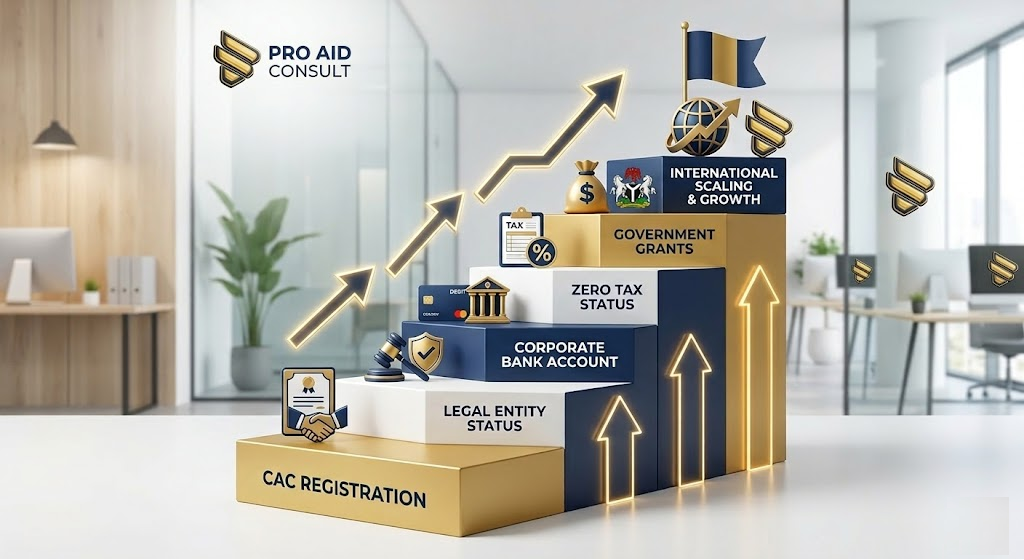
Registering your business with CAC improves trust and legitimacy.

Proper business structure also includes:

  • Business documentation
  • Tax compliance
  • Legal agreements
  • Business bank accounts
  • Operational processes

Customers and investors trust properly registered businesses more than informal businesses.

A professionally structured business is positioned for long-term growth.


6. Use Data and Market Research

Businesses that understand their market make better decisions.

Before launching products or services, SMEs should conduct market research to understand:

  • Customer needs
  • Competitor pricing
  • Industry trends
  • Consumer behavior
  • Market demand

For example, a clothing business targeting young professionals should study current fashion trends and customer spending behavior before introducing new products.

Market research reduces business risks and helps companies identify profitable opportunities.

Businesses that make decisions based on data usually grow faster than businesses operating on assumptions.


7. Build Strategic Partnerships

Partnerships can help SMEs grow faster.

Collaborating with complementary businesses allows companies to:

  • Reach new audiences
  • Increase brand exposure
  • Share resources
  • Improve credibility
  • Generate more sales opportunities

For example, a web design agency can partner with a digital marketing agency to provide complete branding solutions for clients.

Strong partnerships help businesses expand without carrying all growth responsibilities alone.

Networking events, business communities, and online platforms can help SMEs build valuable partnerships.


8. Train and Develop Your Team

A business can only grow as much as its team grows.

Many SMEs focus heavily on sales but ignore staff development.

Businesses should invest in:

  • Staff training
  • Leadership development
  • Communication skills
  • Customer service improvement
  • Digital skill development

Employees who understand the companyโ€™s vision and possess strong skills contribute significantly to business growth.

For example, training customer support staff to handle complaints professionally can improve customer retention.

A motivated and skilled team improves productivity and business performance.


9. Diversify Revenue Streams

Depending on a single source of income can be risky.

SMEs should explore additional revenue opportunities.

For example:

  • A fashion brand can sell online courses
  • A restaurant can introduce catering services
  • A digital agency can offer consulting packages
  • A retail business can expand into eCommerce

Diversification helps businesses:

  • Increase income
  • Reduce financial risks
  • Reach new markets
  • Improve sustainability

Businesses that adapt quickly to changing market conditions are more likely to survive economic challenges.


10. Work With Professional Business Consultants

Many business owners try to manage every aspect of their business alone.

This often leads to:

  • Poor decision-making
  • Slow growth
  • Weak branding
  • Financial mistakes
  • Missed opportunities

Professional consultants provide expert guidance that helps businesses:

  • Improve operations
  • Build effective strategies
  • Solve business challenges
  • Increase profitability
  • Scale efficiently

At Pro Aid Consult, we help businesses with:

  • Business development
  • Digital marketing
  • Web design
  • CAC registration
  • Tax consultation
  • Market research
  • Sales optimization

Professional guidance can save businesses time, reduce costly mistakes, and accelerate growth.


Final Thoughts

The Nigerian business environment in 2026 will continue to evolve rapidly. SMEs that embrace digital transformation, improve customer experience, strengthen financial management, and invest in strategic growth will stand out in competitive markets.

Business growth does not happen by chance. It requires planning, consistency, innovation, and the right support system.

At Pro Aid Consult, our goal is to help Nigerian businesses build strong foundations, improve visibility, remain compliant, and achieve sustainable growth.

Whether you are starting a new business or looking to scale an existing one, implementing these strategies can position your business for long-term success.

Does Your Website Pass the 5-Second Test? How to Audit Your Homepage.

In the fast-paced digital landscape of 2026, where attention spans are measured in seconds rather than minutes, the first few moments a user spends on your website are absolutely critical. They serve as a quick litmus test, determining whether a visitor will stay to explore further or bounce away, possibly never to return. This is where the concept of the "5-second test" becomes invaluable. At Pro Aid Consult, we've analyzed countless website performance metrics and consistently found that a compelling, quickly understandable homepage is not just a desirable feature; it is an absolute necessity for conversion and sustained growth.

The 5-second test is a simple yet powerful usability assessment tool. It measures how effectively a webpage communicates its core message in the shortest possible timeframe. The premise is straightforward: when someone lands on your homepage, they should immediately understand three key things within five seconds:

  1. What does this business offer?

  2. How will it solve my problem?

  3. What should I do next?

If your homepage cannot answer these questions clearly and instantly, you are actively losing potential customers and hindering your digital marketing efforts. But how do you know if your website truly passes the test? You can't just guess. You need a structured, objective audit. This comprehensive article will guide you through the process of auditing your homepage, providing actionable steps and best practices to ensure it makes a powerful and lasting first impression.

Understanding the Importance of the First Impression

The psychology of first impressions is well-documented and profoundly impactful. Online, this effect is amplified. Users make snap judgments about credibility, professionalism, and relevance. If they are confused, frustrated, or simply bored within those crucial initial seconds, they won't hesitate to click away. They are looking for immediate value and clarity. They are also seeking confirmation that they've landed on the right page for their needs. A well-optimized homepage provides that confirmation and instills confidence, making users more likely to invest their time and potentially their money. Conversely, a poor homepage acts as a significant barrier, stalling the conversion funnel and undermining your entire digital presence.

Key Components of a 5-Second Test Audit

Let's break down the critical elements you need to evaluate:

1. Hero Section Clarity: What is Your Value Proposition?

The hero sectionโ€”the space "above the fold" that users see before scrollingโ€”is your digital prime real estate. This is the single most important part of your homepage. If your value proposition is buried or poorly articulated, you've already lost. Your audit must rigorously assess:

  • Is the Headline Clear and Concise? Avoid generic fluff and complex jargon. Use simple, direct language that immediately communicates the main benefit of your product or service. Focus on the user's need. A compelling headline should answer the question, "What problem do you solve?"

  • Does the Visual Support the Message? The hero image or background video should be directly related to your core offering. It shouldn't just be pretty; it must be functional, helping users grasp the value you provide instantly. Avoid stock images that don't align with your brand's unique identity.

  • Is Your Primary CTA Prominent and Unambiguous? You must tell users what to do next. Your main Call to Action (CTA) should be highly visible, using contrasting colors and action-oriented language (e.g., "Start Your Free Trial," "Schedule a Consultation," "Shop New Arrivals"). Ensure it's not competing with secondary buttons or distracting elements.

2. Readability and Scanning Ease: Don't Make Users Work

Users rarely read web pages line by line; they scan them. If your homepage is a dense wall of text, it will fail the scan test, which is a major precursor to failing the 5-second test. Audit your readability with these factors in mind:

  • Scannable Headings and Subheadings: Break down content into distinct sections with clear, descriptive headers. This helps users quickly navigate to the information most relevant to them.

  • Bullet Points and Short Paragraphs: Avoid lengthy paragraphs. Use bullet points and concise lists to present features, benefits, or key takeaways. White space is your friend; it reduces cognitive load and improves focus.

  • High-Contrast Fonts and Adequate Sizing: Ensure your text is easy to read against the background. Pay close attention to font choices, sizes, and line spacing. It should be easily legible on both desktop and mobile devices. A mobile-responsive design is non-negotiable in 2026.

3. Brand Consistency and Professionalism: Establish Trust Instantly

A professional-looking website builds immediate credibility. A poorly designed one screams "unreliable" or "informal." Your audit must verify:

  • consistent Branding: Do the logo, colors, and typography match your overall brand identity? A disjointed visual presentation can be confusing and erode trust.

  • High-Quality Content and Minimal Clutter: Are your images sharp and professional? Is your copy polished and free of errors? Does every element on the page serve a clear purpose? Clutter creates noise, which is the enemy of a clear message.

  • Clear and Easy Navigation: Can users intuitively find their way around your site? Ensure your main navigation menu is well-organized and located in a predictable place. Distracting or overly complex navigation menus can increase bounce rates.

The Audit in Action: A Practical Guide

Now, let's turn these principles into practice. Hereโ€™s a step-by-step guide to conducting your homepage audit:

1. Gather a fresh perspective (The Objective 5-Second Test)

Before you delve into details, try to get a truly objective view. This can be difficult when it's your own site. Consider these methods:

  • Use Usability Testing Tools: Online platforms like UsabilityHub and FiveSecondTest allow you to recruit real users to take the test and provide feedback. This is invaluable for getting unbiased data.

  • Ask a Friend or colleague (with a clear mandate): Ask someone who isn't familiar with your site to look at your homepage for exactly five seconds. Then, hide the screen and ask them to recall the three core messages (offer, benefit, action). Be prepared for honest, sometimes surprising feedback.

2. Map the Findings to Key Components

Analyze the feedback you've gathered and map it directly to the key components outlined earlier:

  • If users can't recall your offer, focus on clarifying your hero headline.

  • If they don't know the benefit, refine your main visual or the supporting copy in your hero section.

  • If they are unsure what to do, make your primary CTA much more prominent and compelling.

  • If they recall unrelated details, your visual design might be too cluttered or distracting.

3. Optimize and Re-Test

Based on your findings, make targeted improvements. This is not a "one and done" process; it is iterative. After each round of optimization, re-test using the 5-second method to measure your progress.

Optimization Checklist for Success:

  • [ ] Is my value proposition in the hero headline?

  • [ ] Does my main image or video reinforce that value?

  • [ ] Is the primary CTA large, visible, and contrasting?

  • [ ] is my main navigation menu easy to find and use?

  • [ ] are my fonts and text sizes legible and scannable?

  • [ ] is there adequate white space on the page?

  • [ ] have I removed all unnecessary distractions and clutter?

  • [ ] Is my homepage fully responsive and optimized for mobile devices?

Moving Beyond 5 Seconds: The Broader Picture of Digital Conversion

While the 5-second test is an essential metric, a great homepage doesn't just pass this test; it builds on it. Itโ€™s the starting point for a compelling customer journey. A truly powerful homepage should:

  • Establish Social Proof and Credibility: Include client testimonials, partner logos, or awards to show visitors they are in good hands.

  • Showcase Key Products or Services: While you can't show everything, highlight your primary offerings or most popular categories.

  • Address Customer Pain Points and Offer Solutions: Show that you understand your target audience's challenges and have the expertise to help them.

  • Focus on Benefits, Not Just Features: Don't just list what you offer; explain how it will improve the user's life or business.

Conclusion

In 2026, your homepage is not simply a digital placeholder; it is your virtual salesperson, your brand ambassador, and the gateway to your business growth. If it fails the 5-second test, you are hindering your conversion efforts at the earliest possible stage. A comprehensive and objective homepage audit is a critical digital health check. By rigorously assessing clarity, readability, professionalism, and functionality, you can uncover critical bottlenecks and implement optimizations that instantly improve your user experience and boost your conversion rates. Don't leave your first impression to chance. Contact the team at Pro Aid Consult today and let's help you transform your homepage into a powerful conversion tool that makes a truly positive and lasting impact in 2026 and beyond.

The Power of Retargeting: Reclaiming Lost Opportunities and Boosting Conversions in 2026

In the vast and competitive digital marketplace of 2026, capturing a potential customer's attention is only the first step. A significant challenge for businesses is the reality that most website visitors do not convert on their initial visit. They might browse, compare, add items to a cart, or even start a form, only to leave without completing the desired action. This represents a massive pool of lost opportunitiesโ€”customers who have already demonstrated interest but were not quite ready to commit. Enter retargeting, a potent digital marketing strategy designed to bring these potential customers back and guide them towards conversion. At Pro Aid Consult, we understand that understanding and leveraging the power of retargeting is not just a marketing tactic; it's an essential component of a robust and profitable customer acquisition strategy. This comprehensive article will explore the mechanisms of retargeting, its benefits, effective implementation strategies for 2026, and how to measure its success for maximum impact.

Understanding the Mechanism: How Retargeting Works

Retargeting, sometimes referred to as remarketing, is essentially a way to keep your brand, products, or services in front of potential customers after they have left your website or interacted with your content. It operates on a relatively simple yet highly effective principle. When a user visits your website, a small, anonymous "pixel" (a piece of code) is placed in their browser. This pixel does not store any personally identifiable information but simply flags that user as having visited specific pages. When that same user subsequently browses other websites across the internet (such as social media platforms, news sites, or even competitor websites that are part of display networks), the pixel allows you to serve highly relevant, targeted advertisements tailored to their previous interactions with your site. For example, if a user browses a particular product line on your e-commerce store but leaves without purchasing, they might later see display ads for that exact product, perhaps with a compelling offer or a gentle reminder of its benefits.

The Undeniable Benefits of Retargeting for Your Business

Implementing a strategic retargeting campaign offers a multitude of benefits that can significantly impact your bottom line:

1. Increased Brand Recall and Awareness: In 2026, where consumers are inundated with marketing messages, staying top-of-mind is a critical challenge. Retargeting ensures your brand remains visible to potential customers who have already shown initial interest. By repeatedly showing your ads, you reinforce your brand identity, keep your products or services present in their consideration set, and significantly increase the likelihood that they will think of you when they are ready to make a purchase decision.

2. Drastically Improved Conversion Rates: This is perhaps the most significant advantage of retargeting. Studies consistently show that customers who are retargeted are significantly more likely to convert than first-time visitors. They have already expressed interest, are familiar with your brand, and retargeting ads provide that crucial gentle nudge, compelling offer, or persuasive messaging that overcomes their initial hesitancy. A cart abandonment retargeting campaign, for instance, can reclaim a considerable percentage of lost sales.

3. Cost-Effective Customer Acquisition: Retargeting can be an extremely cost-effective method for acquiring new customers. Unlike broad display advertising, retargeting focuses your ad spend on individuals who have already demonstrated genuine interest in what you offer. This highly targeted approach maximizes the impact of your marketing budget, resulting in a significantly lower cost per acquisition (CPA) compared to many other advertising methods.

4. Enhanced Customer Engagement and Personalization: Retargeting allows you to deliver highly personalized ad experiences. By analyzing the pages a user visited, products they viewed, or actions they took, you can serve them tailored ads that address their specific interests, needs, or even objections. This level of personalization resonates far more effectively with consumers than generic, one-size-fits-all messaging. In 2026, consumers expect and appreciate personalized marketing, making sophisticated retargeting strategies an essential engagement tool.

5. Competitive Advantage: In saturated markets, retargeting provides a significant competitive edge. While your competitors may be broad-casting their message, retargeting allows you to zero in on specific leads who have already interacted with your brand. This focused approach can capture customers who might otherwise be swayed by your competitors.

Strategies for Success: Effective Retargeting in 2026

To harness the full potential of retargeting, it is crucial to implement advanced strategies tailored to the digital landscape of 2026:

1. Go Beyond Page Views: Trigger-Based Retargeting: Simple site visitor retargeting is no longer enough. To maximize effectiveness, focus on trigger-based retargeting. This involves setting up specific triggers based on user behavior, such as cart abandonment (user added item but didn't check out), specific product page views (user viewed a particular product multiple times), content engagement (user downloaded an e-book or watched a video), or even time spent on a high-intent page (like the pricing page). This allows for much more precise and effective messaging.

2. Leverage Multiple Platforms for Maximum Reach: Don't limit your retargeting efforts to a single platform. In 2026, your potential customers are engaging across a fragmented digital ecosystem. Utilize retargeting capabilities across major platforms like Google Display Network, social media (Facebook, Instagram, LinkedIn, TikTok), and even native advertising networks. This multi-channel approach ensures your ads reach your audience wherever they are online.

3. Implement Dynamic Retargeting for Personalized Product Ads: For e-commerce businesses, dynamic retargeting is an absolute must-have. It automatically generates and serves ads featuring the exact products a user previously viewed on your website, often along with similar recommendations. This level of hyper-personalization is extremely powerful in driving re-engagement and conversions.

4. Utilize Sequential Retargeting to Nurture Leads: Sequential retargeting involves showing users a series of related ads over time, gradually moving them through the customer journey. You might start with ads that reinforce brand benefits, then move to customer testimonials, followed by a limited-time offer, and finally a compelling call-to-action. This sophisticated approach guides leads and helps overcome complex buying objections.

5. Optimize for Privacy and Data Protection: In 2026, consumer data privacy and regulations (like GDPR, CCPA, and similar frameworks) are paramount. Ensure your retargeting practices are fully compliant with all applicable laws. Be transparent about data collection, utilize privacy-safe identifiers, and respect user opt-out preferences. Building trust through privacy compliance is crucial for long-term marketing success.

Measuring the Impact: Key Retargeting Metrics to Track

To gauge the success of your retargeting campaigns and make data-driven optimizations, it is essential to track specific performance metrics:

  • Conversion Rate: The percentage of retargeted users who complete the desired action (e.g., make a purchase, fill out a form).

  • Return on Ad Spend (ROAS): The revenue generated for every dollar spent on retargeting ads. A positive ROAS indicates a profitable campaign.

  • Cost Per Acquisition (CPA): The total cost of the campaign divided by the number of conversions acquired. Lower is generally better.

  • Click-Through Rate (CTR): The percentage of users who clicked on your retargeting ads after seeing them. Higher indicates compelling ad creative.

  • Frequency: The average number of times a user has seen your ads. A high frequency might lead to ad fatigue.

  • Reach: The total number of unique users who saw your retargeting ads.

Conclusion: Reclaiming Potential with Precision

In 2026, retargeting is not just an optional add-on but a strategic necessity for any business looking to maximize the return on their digital marketing investment. By leveraging sophisticated retargeting strategies, businesses can effectively nurture leads, drive re-engagement, significantly increase conversion rates, and ultimately, bring back potential customers who might have otherwise been lost opportunities. At Pro Aid Consult, our team of seasoned digital marketing experts has the knowledge and experience to help you design, implement, and optimize highly effective retargeting campaigns tailored to your specific business goals and target audience. Let us help you unlock the true potential of retargeting and turn lost opportunities into loyal customers in 2026 and beyond.

5 Risks of Operating a Business Without CAC Registration in 2026

Starting a business in 2026 is an ambitious journey. With Nigeriaโ€™s push toward a costly economy and the launch of the Renewed Hope Development Plan (2026โ€“2030), the opportunities for entrepreneurs have never been greater. However, as the business landscape becomes more digital and regulated, running an "informal" or unregistered business has moved from being a minor oversight to a major strategic risk.

Failing to register with the Corporate Affairs Commission (CAC) under the Companies and Allied Matters Act (CAMA 2020) leaves your venture in a legal "grey area." Below, we explore the five critical risks of operating without CAC registration in 2026 and why formalization is the only path to sustainable growth.


1. Severe Legal Penalties and Criminal Liability

In 2026, the era of "voluntary compliance" has ended. The CAC, in collaboration with the Nigeria Revenue Service (NRS), has intensified enforcement. Under Section 863 of CAMA 2020, it is a criminal offense to carry on business using a name that has not been registered.

Recent directives have shown that the government is willing to take drastic measures; for instance, thousands of unregistered point-of-sale (POS) terminals were seized earlier this year. Business owners operating without registration now face:

  • Hefty Fines: Starting from โ‚ฆ50,000 for the first month of default and increasing daily.

  • Imprisonment: Regulatory frameworks now allow for prison terms of up to two years for persistent non-compliance.

  • Asset Seizure: Unregistered entities risk having their business premises shut down and assets frozen until legal status is rectified.

2. Exclusion from the "Zero-Tax" Revolution

One of the most significant shifts in 2026 is the Nigeria Tax Act 2025. To encourage formalization, the government has introduced a "Zero-Tax" regime for small businessesโ€”but there is a catch: it is only for registered entities.

Registered companies with an annual turnover of โ‚ฆ100 million or less now qualify for 0% Company Income Tax (CIT) and 0% Value Added Tax (VAT). If your business is unregistered, you are effectively locked out of these incentives. Instead, you remain subject to the Personal Income Tax regime, where rates can climb as high as 24%. By failing to register, you aren't just missing a certificate; you are actively choosing to pay higher taxes.

3. Total Loss of Intellectual Property and Brand Identity

In a competitive market, your brand name is your most valuable asset. Without CAC registration, you have zero legal claim to your business name. In 2026, where AI-driven tools instantly scan registries for available names, an unregistered brand is a sitting duck.

A competitor can legally register your exact business name today, and once they hold that certificate, the law is on their side. They can sue you for "passing off" or force you to undergo a costly and confusing rebrand. Registration is the only way to "lock in" your identity and prevent others from profiting from your hard work.

4. Inability to Access Funding and Government Grants

The 2026 entrepreneurial ecosystem is flush with targeted funding, such as the SMEDAN Funding Boost (offering single-digit interest loans) and the iDICE Startup Fund for creative sectors. However, these portals require a Tax Identification Number (TIN) and a CAC Certificate as a "master key" for entry.

Furthermore, banks are now under strict directives to disregard loan applications from "inactive" or unregistered businesses. Investorsโ€”whether local angel investors or foreign venture capitalistsโ€”view unregistered businesses as high-risk. Without legal standing, you cannot open a corporate bank account, meaning you cannot receive professional investments or apply for the grants that help businesses scale.

5. Personal Liability and Financial Vulnerability

Operating without registration (specifically as a Limited Liability Company) means there is no legal wall between your personal life and your business troubles. If your business incurs debt, fails to deliver on a contract, or faces a lawsuit, your personal assetsโ€”your car, your home, and your personal savingsโ€”are all at risk.

Registration creates an "artificial person" in the eyes of the law. This separate legal identity ensures that your liability is limited only to your investment in the company. In the volatile economy of 2026, protecting your familyโ€™s financial security through business formalization isn't just a legal step; itโ€™s an essential act of personal responsibility.


Conclusion

The message for 2026 is clear: Formalize to Thrive. The risks of staying informalโ€”legal prosecution, higher taxes, brand theft, and personal financial ruinโ€”far outweigh the small cost of registration.

At Pro Aid Consult, we simplify this journey for you. We handle everything from name reservation to obtaining your certificate and TIN, ensuring you are positioned to take full advantage of the 2026 tax breaks and funding opportunities. Don't leave your dreams to chance. Contact us today to register your business and build on a foundation that lasts.

Scroll to Top